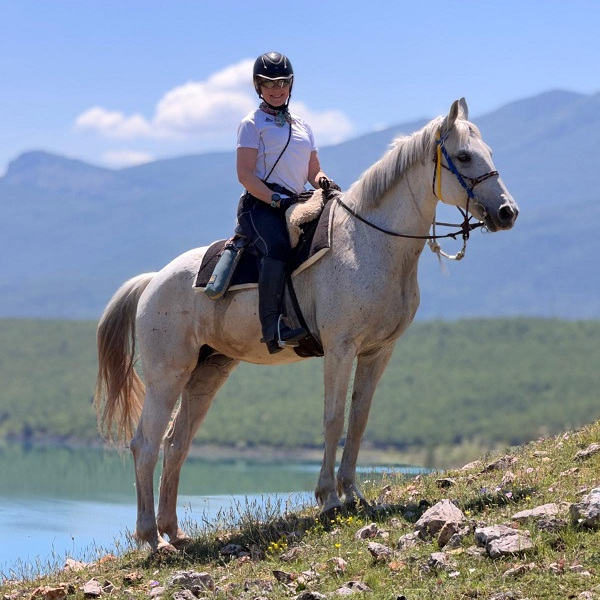

Recently, I spent time horseback riding through Croatia, a country I highly recommend to anyone who has not yet visited. It is a remarkable place where convergence is happening in real time.
KRKA Trail Horseback Adventure, Croatia 2026
Watch this short video of the ride!
Croatia is balancing ancient traditions with modern tourism. Much of its economy now depends on visitors, yet it remains fiercely committed to its culture and heritage. Charming villages are nestled into mountainsides. Centuries of influence from European powers, including the Venetians, are visible alongside celebrations of Croatian icons like Marco Polo and generations of winemaking craftsmanship.
What struck me most about Croatia was its consistency—the strength it brings but the potential challenges it can create—and the push and pull it creates on convergence.
Generation after generation, traditions have been carefully preserved. More than 90% of the population identifies as Catholic. Village after village, island after island, white stone buildings and red roofs create a sense of continuity. Croatia is also proud of being a clean-water country, where you can drink from the tap, a fountain in the square, or nearly any public source. The streets are pristine. The culture is clear about what it values. They are a country moving into the future with a strong hold on the past. It is a fine balance, knowing what to let go of so that you can reach for the future.
As we cantered through meadows and countryside, I found myself thinking about the convergence facing leaders and entrepreneurs. How effective are we at knowing when to let go so that change can move us forward?
Many organizations reach a point where historical success and future success require different paths. The entrepreneurial phase often depends on the capability, commitment, and creativity of a single founder. But growth demands new capacity. It requires delegation, structure, and trust in a team. The challenge is not building something. The challenge is letting go of parts of it.
This is just as true for established businesses—the longer ago they were created, the more in need of adapting to change they may need to become. Policies, practices, and people need to evolve as the market around them does.
For all of us, just like riding a horse, leadership is not about controlling every movement. It is about creating direction while allowing others to carry responsibility.
While consistency can limit us it can also empower us. Strategy brings focus but is not value-adding until it is implemented. In business, it is easy to chase every new opportunity, technology, or shiny object. Yet sustainable growth often comes from focused clarity—knowing your strengths, your customers, and your core competencies. The companies that endure are rarely the ones pursuing everything. They are the ones committed to what they do exceptionally well.
Convergence requires courage. Technology is reshaping every industry. Leaders must embrace a future they cannot fully see while remaining grounded in the values that made them successful in the first place. Just as a rider must eventually move from walking to cantering, leaders must move from contemplating change to committing to it.
Croatia reminded me that leadership is ultimately about navigating convergence with clarity, consistency, and courage. The past provides the foundation. The future demands change. The leaders who thrive are those willing to honor both while continuing to canter forward.
This post was written by Margaret Reynolds (with AI assist)